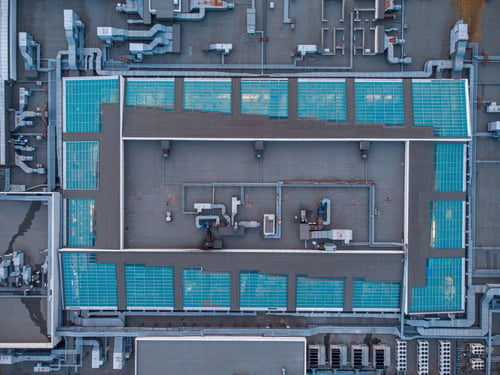
Solar panels are built to last decades. The roof underneath them needs to keep up. If a concrete roof starts leaking a few years after installation, the panels and racking have to come off before the roof can be repaired, and that's labor you pay for twice.
That's why we inspect every roof before a solar installation and recommend sealing it first when it's showing cracks, ponding water, or a worn-out acrylic coating. Doing both jobs back to back means the area under the panels gets sealed while it's still exposed.
We use 100% silicone because it holds up to what Puerto Rico roofs deal with: intense UV every day, standing water after heavy rain, and hurricane season. Unlike acrylic sealers, silicone doesn't break down when water sits on it, and it stays flexible as the concrete expands and contracts with the heat.
A reflective white silicone surface also reflects sunlight, which can help keep the rooms below cooler. That's a small bonus on top of the main goal: a dry roof under a solar system you won't have to touch.